
SOS Restoration repairs storm-related property damage and helps address the problems severe weather can leave behind.
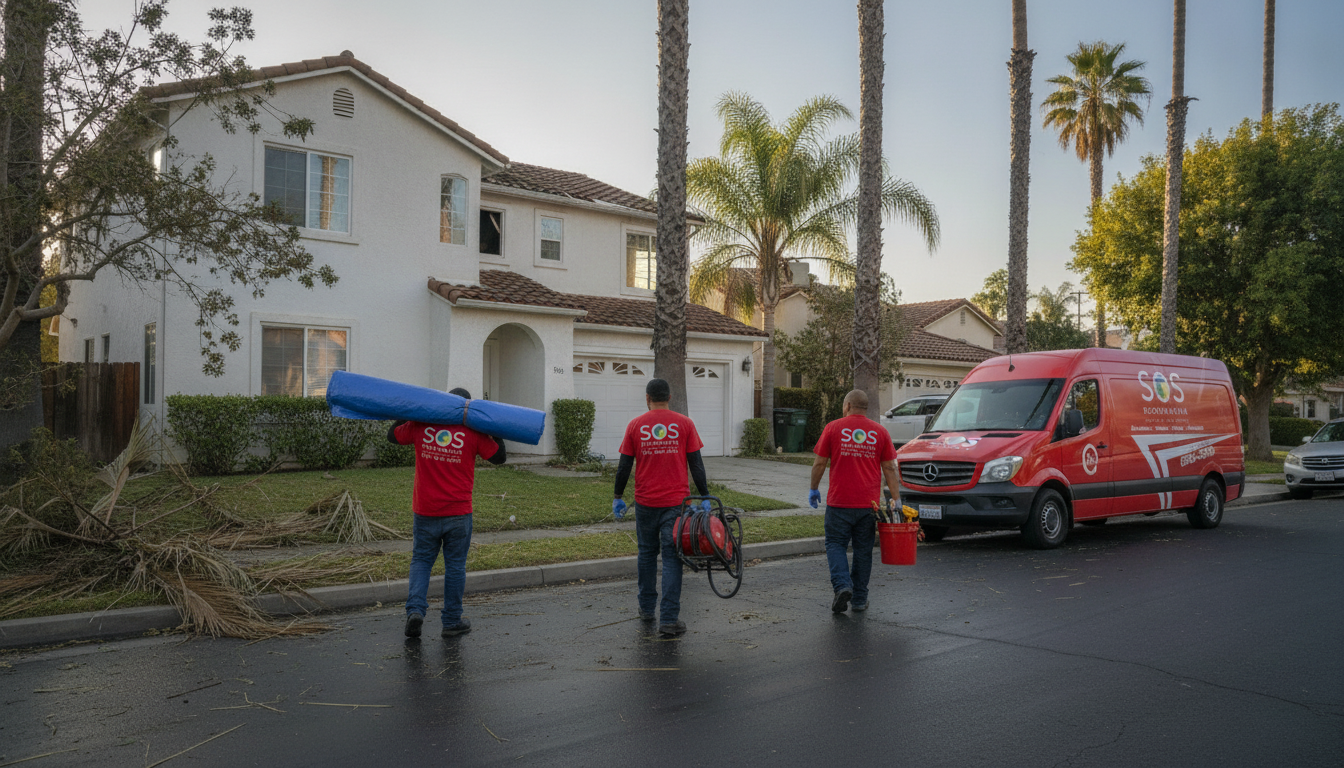
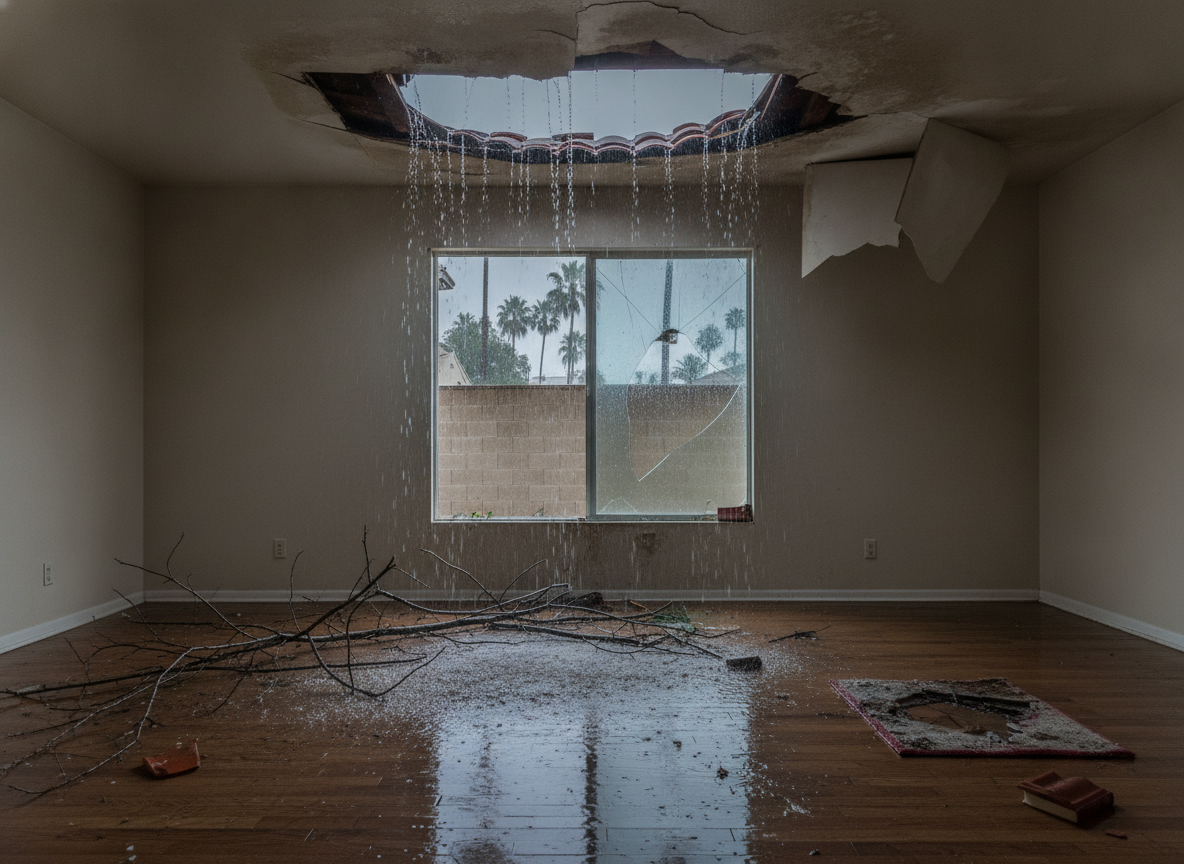
Storm damage is not always limited to what can be seen from outside. Wind, rain, and airborne debris can create openings that allow water to reach walls, ceilings, flooring, and other materials. Even when the weather has passed, moisture and exposed areas can continue causing problems.
Consider storm damage repair when you notice:
Property owners and managers may need storm damage repair after a single severe event or after damage becomes apparent over time. The appropriate work depends on where the property was affected, how much water entered, and which materials can be restored.
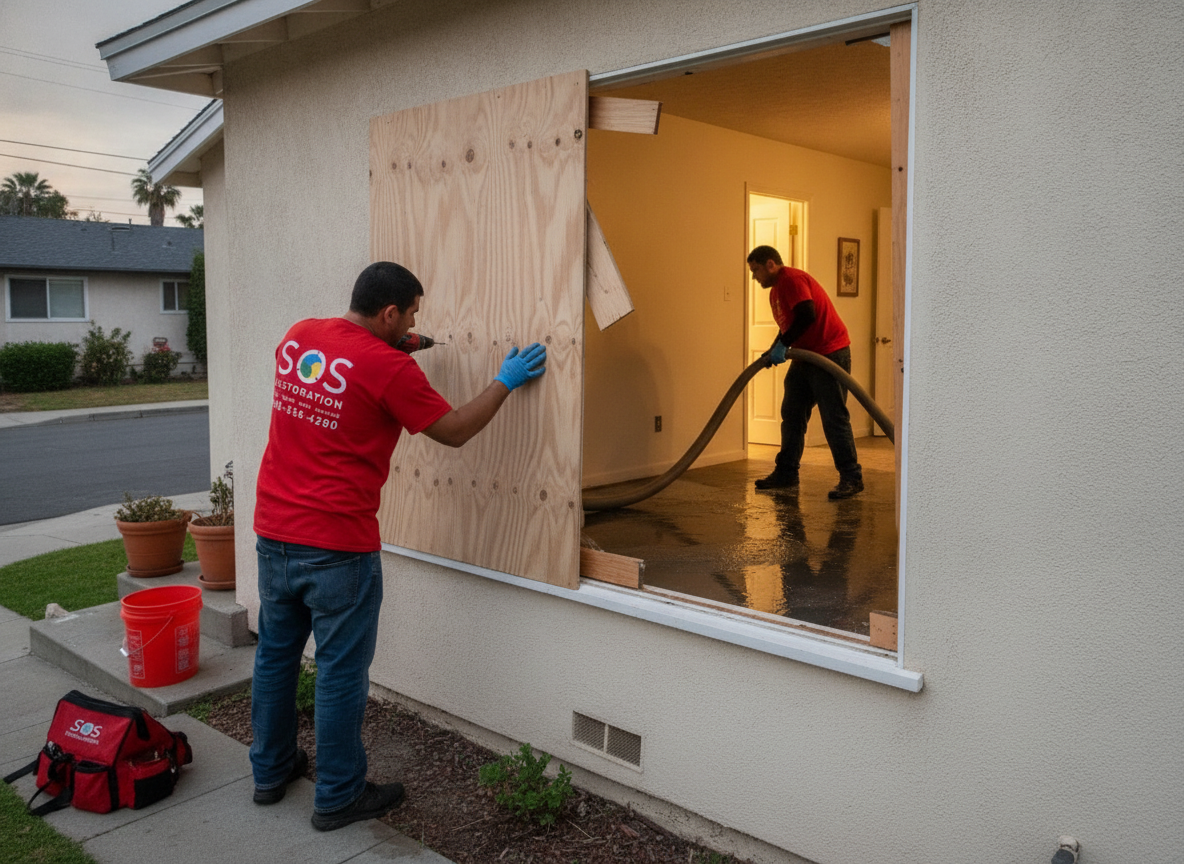
A storm repair project generally begins by identifying visible damage, possible points of water entry, wet materials, and areas that may be unsafe or exposed. This initial review helps define the scope of cleanup, drying, restoration, and repair.
The work may include several connected stages:
Determine where the storm damaged the property and whether water moved beyond the most visible area.
Board-up may be used where damaged sections leave the property open to further exposure.
Water extraction or flood cleanup may be needed when rainwater has accumulated inside.
Structural drying helps address moisture in building materials and spaces that cannot dry adequately on their own.
Items affected by water, debris, or residue may require cleaning and restoration.
The final scope depends on the damaged areas, affected materials, and overall condition of the property.
Storm damage can involve more than one problem, so the full scope should account for both visible damage and moisture that has traveled into surrounding materials.
Storm damage repair may overlap with other restoration needs. SOS Restoration also offers water damage restoration, flood cleanup, emergency board-up, structural drying, water extraction, mold remediation, contents cleaning and restoration, and commercial damage restoration.
Having related services available matters because storm damage does not always fit into a single category. An exterior opening may lead to indoor water damage, while standing water may require extraction before drying and repair can proceed. The sequence and extent of the work depend on the conditions found at the property.
The exact process varies by the type and extent of damage. A localized leak may call for a different scope than widespread water intrusion or debris impact. Access to affected areas, the amount of moisture present, and the condition of building materials can also influence the work required.
Before work begins, customers should be prepared to describe when the damage occurred, where water or debris entered, and which areas appear affected. Photos and notes may help document visible conditions, but they do not replace evaluating the property itself.
Visible openings, wet materials, standing water, damaged surfaces, or persistent odors can indicate a need for professional attention. Damage may extend beyond the first visible area when water travels through ceilings, walls, or flooring.
The scope depends on the source and extent of the damage, the amount of water intrusion, the materials affected, and whether temporary protection, extraction, drying, cleaning, or repair is needed.
Drying time depends on the materials, airflow, humidity, and amount of absorbed water. Materials that remain wet may require water extraction and structural drying rather than passive air drying alone.
Contents affected by water or storm debris may need cleaning and restoration. Whether an item can be restored depends on its material, condition, and level of damage.
If a storm has damaged your property, contact SOS Restoration to discuss the affected areas and the next steps for repair. Call 888-817-1650 or use the contact form to request assistance.